Faster Healing and Less Discomfort in Modern Hair Restoration

Hair restoration has changed in a way patients can feel, not just see. The best results no longer come only from placing grafts in the right pattern. They also come from making the process gentler, reducing unnecessary tissue stress, and supporting the scalp so healing feels more manageable.
Modern hair restoration is built around a simple goal: create natural density while keeping recovery as calm and predictable as possible. That shift comes from better planning, smaller instruments, improved graft handling, refined extraction methods, and aftercare that protects both comfort and results.
This article is for general education only and is not a substitute for medical advice. A qualified hair restoration clinician can explain which options fit a specific scalp, hair type, health history, and goal.
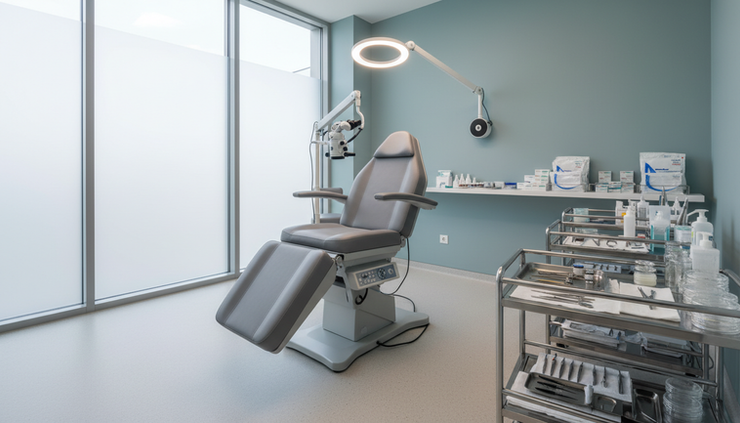
Less trauma starts before the first graft is placed
A smooth recovery begins with the plan. Hair restoration is not just a technical procedure. It is an aesthetic and medical process that depends on good judgment before treatment starts.
A careful plan includes:
Hairline design that fits the face and age
Donor area assessment to avoid overharvesting
Graft estimate based on realistic density goals
Review of scalp health, medications, and medical history
Discussion of downtime, comfort, and aftercare
When this planning is rushed, the scalp often pays the price. Too many grafts removed from one area can leave visible thinning in the donor zone. Poor spacing can create unnecessary trauma. A hairline that looks good on a screen but does not fit the person can lead to future correction work.
Precision reduces recovery burden. When the surgeon knows exactly where grafts should come from and where they should go, the procedure can be more controlled. That usually means less disruption to surrounding tissue, shorter periods of swelling or tenderness, and a better chance of consistent growth.
Modern imaging and magnification can also help teams evaluate hair direction, density, and scalp patterns more clearly. These tools do not replace experience, but they can support better decisions.
Smaller tools help protect the scalp
One of the biggest reasons recovery has improved is the move toward smaller, more precise instruments.
In follicular unit extraction, often called FUE, individual follicular units are removed from the donor area using tiny punches. Older or less refined methods can place more stress on the tissue if the punch size, angle, or technique is poorly matched to the hair. Today, experienced clinicians often use smaller punch tools and more controlled motion to reduce unnecessary irritation.
That matters because the scalp is not empty space. It contains blood vessels, nerves, oil glands, connective tissue, and follicles that need protection. Every small improvement in handling can affect how the area feels in the days after treatment.
Smaller tools may help with:
Less visible scabbing
Reduced donor area irritation
More comfortable healing
Less disruption around nearby follicles
More discreet short-term appearance
The goal is not simply to make smaller marks. It is to remove grafts cleanly and preserve the tissue around them.
Still, smaller is not always better by itself. A tool that is too small for a curly, coarse, or sharply angled follicle can increase the risk of damaging grafts. The technique needs to fit the patient, not a trend. Skilled teams choose instruments based on hair texture, graft size, scalp characteristics, and the planned result.
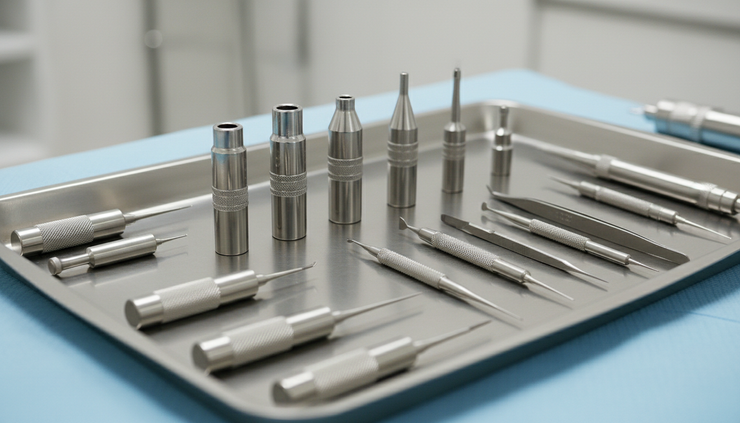
Refined extraction makes donor healing more predictable
The donor area is where many patients feel recovery most clearly. It can feel tight, tender, itchy, or sensitive as it heals. Better extraction technique aims to reduce that burden.
A refined extraction process considers the natural angle and direction of each follicular unit. Hair rarely grows straight up like bristles on a brush. It exits the scalp at an angle, and the follicle may curve beneath the surface. When extraction follows that path more accurately, the graft is more likely to stay intact, and nearby tissue is less likely to be stressed.
Several details affect healing:
Punch alignment
The instrument should follow the follicle’s path as closely as possible. Poor alignment can increase graft injury and tissue irritation.
Spacing
Removing grafts too close together can create patchy donor thinning and slower-looking recovery. Thoughtful spacing helps the donor area blend as it heals.
Depth control
Going deeper than needed can cause more tissue disruption. Too shallow can damage the graft. Controlled depth keeps the process cleaner.
Extraction pace
Speed should never come at the cost of precision. A rushed procedure can lead to more trauma and less consistent graft quality.
Some clinics also use powered or motorized devices that help maintain steadier movement. Others use manual tools for more tactile control. Neither approach is automatically superior. Outcomes depend on the clinician’s skill, the device settings, and how well the method matches the patient’s hair and skin.
For the patient, refined extraction often translates to a donor area that feels less raw and looks calmer sooner. It can also make sleeping and washing more comfortable in the first week, though recovery varies.
Graft handling is a quiet part of comfort and results
Patients often focus on extraction and implantation, but what happens between those steps matters just as much.
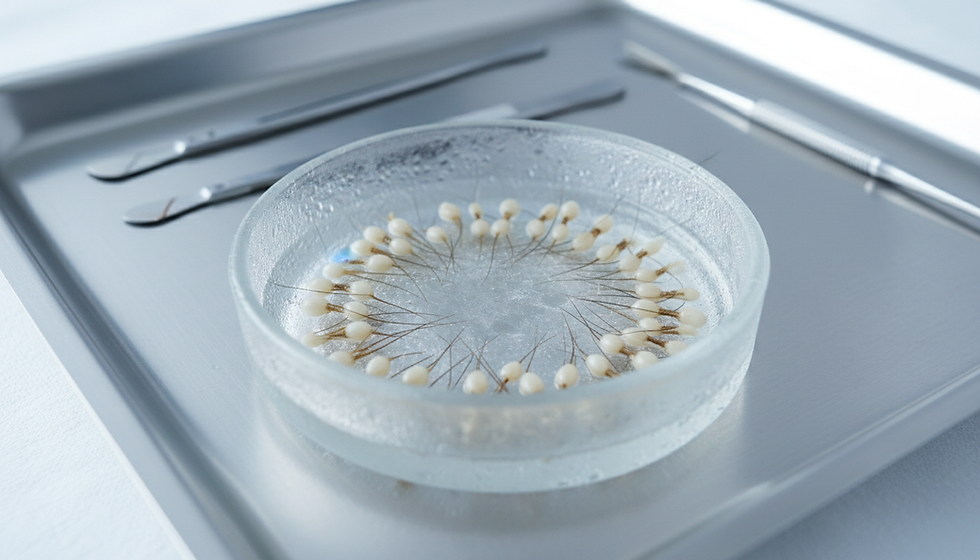
Once grafts are removed, they need careful handling. Follicles are delicate living tissue. They can dry out, overheat, become compressed, or sit too long outside the body. Proper graft care helps support survival and reduces the need for overly aggressive placement to compensate for poor yield.
Good graft handling may include:
Keeping grafts hydrated in appropriate holding solutions
Sorting grafts under magnification
Limiting time outside the scalp
Avoiding crushing with forceps
Separating single-hair and multi-hair grafts for natural design
This step also affects the aesthetic result. Single-hair grafts often work best at the front hairline because they look softer. Multi-hair grafts can add density behind the hairline. When grafts are sorted with care, the final look can appear more natural with less need for corrective work later.
A seamless result is not only about density. It depends on angle, direction, spacing, and the right graft in the right place. The less the scalp has to endure to achieve that result, the better the patient experience tends to be.

Implantation technique shapes both healing and appearance
The recipient area is where the restored hairline or thicker coverage will be seen. It is also where swelling, redness, and crusting may appear after the procedure.
Implantation can be done in different ways. Some teams create recipient sites first, then place grafts. Others use implantation devices that create the opening and place the graft in a more direct motion. Each method can work well when performed with skill.
The patient experience depends on how carefully the recipient area is created. If sites are too large, too dense, or poorly angled, the scalp may show more irritation. If grafts are forced into tight spaces, tissue can be compressed. If the angle is wrong, the result may look unnatural even if the grafts grow.
A refined approach focuses on:
Natural hair direction
Appropriate spacing between grafts
Matching hairline softness to facial features
Avoiding unnecessary crowding
Protecting blood supply in the recipient area
Density planning requires restraint. Many patients want the thickest possible result in one session, but the scalp has limits. Packing too many grafts too tightly may increase tissue stress. A staged plan can sometimes provide a safer path to density, especially in larger areas.
This is where artistry and restraint meet. The best hair restoration work often looks understated at first glance. It should frame the face without drawing attention to the procedure.
Comfort is now part of the medical plan
Pain control in hair restoration has improved because teams pay more attention to the full experience, not only the procedure itself.
Local anesthesia remains standard for many hair restoration procedures. The way it is delivered can affect comfort. Techniques such as slower injection, buffering when appropriate, smaller needles, vibration devices, cooling, and careful sequencing may reduce discomfort for some patients. Not every clinic uses the same approach, and not every method fits every patient, but the trend is clear: comfort is planned, not treated as an afterthought.
Comfort also includes the length and flow of the day. Long sessions can cause fatigue, neck stiffness, and general discomfort. Good teams think about positioning, breaks, hydration, meals, and communication. Patients usually feel calmer when they know what is happening and what sensations are normal.
After the procedure, discomfort often comes from swelling, tightness, itching, and sleep position rather than sharp pain. Clear aftercare instructions can make those first days easier.
A typical aftercare plan may cover:
How to sleep with the head elevated
When and how to wash the scalp
What level of redness or swelling is expected
Which activities to pause
How to avoid scratching or rubbing grafts
When to call the clinic
The most useful instructions are specific. “Be careful” is not enough. Patients need to know how careful, for how long, and what signs deserve attention.
Faster healing depends on respecting the biology of the scalp
Technology helps, but healing is still biology. The scalp needs time to close tiny wounds, calm inflammation, restore comfort, and support transplanted follicles.
Most people experience some short-term redness, swelling, crusting, and tenderness after hair restoration. The exact timeline varies based on the procedure type, graft count, skin sensitivity, health factors, and aftercare. Some people return to low-key routines within a few days. Others need more time before they feel comfortable in public or active settings.
The phrase “fast recovery” should be used carefully. A better goal is efficient healing with fewer avoidable setbacks. That means minimizing trauma during the procedure and protecting the scalp afterward.
Several patient factors can influence healing:
Factor | Why it matters |
Smoking or nicotine use | May affect blood flow and tissue healing |
Certain medications | Can increase bleeding risk or affect recovery instructions |
Scalp inflammation | Conditions like dermatitis may need control before surgery |
Sun exposure | Can irritate healing skin and worsen redness |
Heavy exercise too soon | May increase swelling, sweating, or irritation |
Good clinics screen for these issues before treatment. They also provide instructions that match the individual patient instead of handing out a generic sheet.
Seamless results come from doing less damage well
A natural outcome comes from thousands of small decisions. Each graft needs to be placed with the right angle, direction, and density. The hairline needs irregular softness, not a hard row of dots. The donor area needs to remain balanced so it does not look depleted.
Less trauma supports that goal. When tissue is handled gently, the scalp may show less prolonged redness and irritation. When grafts are protected, the clinic does not have to rely on excessive density to create the impression of coverage. When the donor area is respected, future options stay open.
This is especially important because hair loss can progress. A person who restores the frontal hairline today may need more planning for the mid-scalp or crown later. Aggressive harvesting may look acceptable at first but create problems years down the road.
A seamless result should work in real life:
In bright bathroom lighting
With shorter hairstyles
When hair is wet
As surrounding native hair changes
From different viewing angles
No procedure can promise perfection. Hair restoration creates improvement within biological limits. The strongest results often come from conservative planning, careful execution, and patience during the growth cycle.

What to look for in a comfort-focused hair restoration provider
A clinic that values recovery should be able to explain its process clearly. Vague claims about advanced tools are less useful than a practical description of how the team reduces tissue stress and supports healing.
Helpful questions include:
What extraction method do you recommend for my hair type and why?
How do you decide punch size and spacing in the donor area?
Who handles graft sorting and placement?
How do you keep grafts hydrated and protected?
What steps do you use to reduce discomfort during anesthesia?
What should I expect during the first week of healing?
How do you manage redness, swelling, or irritation if it lasts longer than expected?
What are the risks in my specific case?
The answers should feel clear and grounded. Be cautious with any provider who promises scar-free surgery, instant recovery, guaranteed density, or a result that ignores future hair loss. Tiny scars may still occur with FUE, even when they are hard to see. Healing times vary. Growth takes months. Honest guidance is part of good care.
Before-and-after photos can help, but they should show consistent lighting, similar angles, and realistic results. Look for cases with similar hair color, skin tone, hair texture, and degree of loss. A result on a different hair type may not predict your own.
The real measure of modern hair restoration
Modern hair restoration is better because it treats comfort, healing, and aesthetics as connected parts of the same process. Smaller tools, refined extraction, careful graft handling, thoughtful implantation, and clear aftercare all work toward the same goal: a result that looks natural without making recovery harder than it needs to be.
The best patient experience is not built on one device or one buzzword. It comes from a team that understands scalp biology, respects donor limits, plans for the future, and works with precision from start to finish.
Faster healing and less discomfort are realistic goals when the procedure is planned well and performed with care. The right question is not only, “How many grafts can be moved?” It is, “How can this be done in the gentlest, most natural, and most sustainable way?”

Comments